
Employee benefits for retail staff in Hong Kong work best when they fit the realities of frontline roles. Accessible healthcare, clear eligibility, mobile-friendly support and benefits that work around shift patterns can help retail and fashion employers create a more useful package for their teams.
Key Takeaways
Retail benefits work best when they reflect the different demands of store, warehouse and office roles. A useful package combines a clear statutory baseline with support employees can access easily.
- Ask frontline employees what would make a practical difference in their working week.
- Check current Hong Kong employment and MPF requirements before setting enhanced benefits.
- Consider health, transport, meals, discounts and wellbeing support alongside pay.
- Make eligibility and access workable for part-time teams, shift workers and dispersed stores.
- Review take-up, feedback, affordability and workforce trends regularly.
1. Understand what frontline employees value

A benefits package for a retail or fashion business has to work for people whose shifts, locations and daily pressures may differ considerably. The first step is to understand those differences rather than assume one offer will suit everyone. For employers researching employee benefits for retail companies Hong Kong, useful insight often comes from combining workforce data with direct conversations. That gives decision-makers a more grounded starting point than simply adding popular-sounding perks.
a. Compare priorities across store, warehouse and office roles
Store teams may value support that fits around customer-facing shifts, while warehouse employees may have different physical demands and office staff may be more able to use desk-based services. These are useful starting hypotheses, not fixed assumptions about what any group wants. Ask people in each role what creates friction in their week and which benefits they can realistically use. A package designed with these differences in mind is more likely to feel relevant across the business.
b. Consider differences by age, life stage and employment pattern
Employees can have different priorities at different points in life, but age alone is a poor guide to what an individual needs. Caring responsibilities, health needs, commuting patterns and contract hours may all affect whether a benefit feels useful. Where possible, offer a choice of suitable options and explain any eligibility conditions clearly. That helps avoid designing around stereotypes or treating a diverse workforce as a single group.
c. Gather feedback through short surveys and store-level conversations
A short survey can reveal which benefits employees know about, which they have used and where access feels difficult. Pair it with store-level conversations, since a quick discussion during a team meeting may surface practical details that a form misses. Useful prompts can keep feedback focused:
- Which current benefit have you used recently, and what made it easy to access?
- What support would help with the demands of your role or shift pattern?
- Are there benefits you do not understand or cannot use easily?
- How would you prefer to receive information about changes?
Review responses alongside operational context, such as store location and working hours. That makes it easier to distinguish a benefit that is genuinely unpopular from one employees simply have not heard about or cannot access.
d. Look beyond salary to day-to-day job pressures
Pay is central, but it does not resolve every source of stress at work. Long periods on one’s feet, late shifts, busy seasonal trading and the cost of getting to work can all shape how employees experience their jobs. Employers can use these pressures as a practical lens when reviewing benefits, rather than adding perks without a clear purpose. For further background on local workplace considerations, consult this Hong Kong employment overview and keep the review focused on the roles in your own business.
2. Meet the statutory baseline in Hong Kong

Before comparing enhanced packages, employers should be confident that their employment practices meet the applicable statutory requirements. Hong Kong rules cover areas including MPF, rest days, holidays, annual leave and specified leave or sickness entitlements, with eligibility and calculation details that matter. Requirements can change, so verify current guidance with the relevant authorities or a qualified adviser. A clear compliance review also gives employees a sound basis for understanding what is a legal entitlement and what is an additional company benefit.
a. Review MPF obligations and enrolment processes
Employers should check which employees must be enrolled in an MPF scheme, when enrolment is due and how contributions are handled. The rules can depend on employment status, age, length of employment and relevant income, so a general rule of thumb is not a substitute for checking individual circumstances. Confirm that payroll records and onboarding processes support timely enrolment and accurate contributions. For seasonal or part-time hiring, review the applicable rules rather than assuming that shorter or variable hours automatically remove an obligation.
b. Check statutory holiday, annual leave and rest day entitlements
Holiday and leave arrangements should be checked against the employee’s circumstances and the current statutory rules. The table below is a high-level prompt for review, not a complete statement of legal eligibility or calculation requirements.
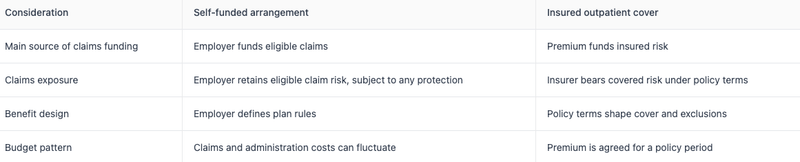
Use the table to identify processes that need checking, then confirm the details against current official guidance. Store rosters and payroll practices should reflect the requirements consistently, including during peak trading periods.
c. Understand sickness allowance and maternity and paternity leave requirements
Sickness allowance and maternity and paternity leave have specific statutory conditions, including qualifying criteria and rules for calculating payment or leave. Managers should know where to direct employees and avoid making informal promises that conflict with the formal policy. HR and payroll teams can help by keeping written guidance current and applying it consistently. For individual cases, check the relevant current rules before confirming an entitlement.
d. Separate legal requirements from enhanced company benefits
Employees should be able to tell which provisions are statutory and which are additional benefits offered by the employer. This distinction matters when explaining eligibility, payment, leave and claims processes, especially when staff move between roles or employment patterns. Present the legal baseline first, then describe any enhancement in plain language. Clear labels reduce confusion and help managers respond consistently to questions.
3. Choose benefits that make a practical difference

Once the baseline is clear, employers can focus on support that fits the workforce and the realities of retail work. A benefit is only valuable if employees understand it, qualify for it and can use it without unreasonable effort. Medical access may be a priority for some teams, while others may place more value on shift-related support or flexibility. The aim is not to offer everything, but to make thoughtful choices and communicate them well.
a. Provide accessible outpatient, hospital and dental cover
When comparing health cover, look beyond the headline description and check what services are included, how employees access care and what limits or exclusions apply. Outpatient, hospital and dental provisions may be structured differently, so explain the scope and claims steps in concrete terms. Where employees work varied shifts, consider whether the access process is practical outside standard office hours. Employees should be able to find reliable information before they need care, not only when submitting a claim.
b. Consider transport, meal and shift-related support
Transport and meal support can be relevant where shifts start early, finish late or take place in locations with limited options nearby. Employers can review the actual patterns of work, local access and existing policies before deciding whether targeted support is appropriate. Check how any allowance is defined, who is eligible and how it is administered through payroll or another approved process. A well-explained, consistent approach is easier for employees and managers to follow.
c. Use staff discounts and product allowances thoughtfully
For a fashion or retail brand, a staff discount or product allowance may feel closely connected to the work, but it should not be treated as a substitute for broader support. Consider whether the offer is useful across different income levels, roles and product ranges, and explain any limits such as seasonal exclusions. Ask employees whether the benefit is something they value, rather than relying on its apparent fit with the business. A discount is most meaningful when the rules are transparent and access is straightforward.
d. Offer wellbeing and family support that employees can use
Wellbeing support needs to be accessible to employees with differing shifts and schedules, and it should be described without implying that it replaces professional care. MixCare Health Flexible Spending Account (FSA) is a digital employee wallet funded by employers, allowing employees to spend on pre-approved health and wellness categories. This may suit employers considering a defined way to support eligible expenses, provided the approved categories and rules match the intended plan. Explain the limits and access process so employees know what the benefit does and does not cover.
4. Make benefits work across retail operations

A well-designed benefit can still fall short if it is difficult to administer across stores, warehouses and head office. Retail employers need eligibility rules that are understandable and workable for different employment patterns. They also need to consider where employees work and how they receive information during a shift. The design should balance a consistent offer with practical access across locations.
a. Design eligibility rules for part-time and full-time employees
Set out eligibility in terms employees and managers can apply consistently, including any rules linked to hours, service or employment status. Part-time staff should be able to see clearly which benefits apply to them and whether any limits differ. If rules vary, explain the reason and provide a simple way to check an individual’s eligibility. Transparent criteria help prevent avoidable misunderstandings and support fair administration.
b. Account for rotating shifts, peak seasons and store locations
A benefit that depends on attending a daytime session or contacting an office during standard hours may be less accessible to staff working evenings or weekends. Review access arrangements against actual schedules and locations, including during busy seasonal periods when teams may have less time to navigate complex processes. The Wellness Marketplace is a curated network of wellness providers, including fitness, mental health, nutrition and preventive care, accessible through the MixCare platform. For employers considering this kind of provision, assess whether the range and access arrangements fit the needs and schedules of their own workforce.
c. Offer consistent core benefits with room for local needs
Consistency helps employees understand the core offer, while some local flexibility can reflect differences in store location, transport or working patterns. MixCare Health Flexible Benefits is a configuration layer that allows employees to choose their own benefit mix from a menu of employer-defined options. Employers considering such an approach should define the menu and allocation rules carefully, then check that employees can understand the choices available to them. The design can be assessed against real employee feedback rather than assumptions about which options matter most.
d. Keep access simple for employees without regular desk access
Store and warehouse employees may not check a work email or internal portal during the day, so benefit information should not depend on a desk-based routine. Keep key instructions short, mobile-friendly and available through channels employees already use for work communication. Make it easy to find eligibility rules, enrolment dates and contact details when questions arise. Where possible, offer a non-digital route for employees who need help or cannot use the standard channel.
5. Communicate and administer the offer clearly

Good communication is part of the benefit itself: if employees cannot understand the offer, they may not use it. Retail teams also need information that can be read quickly, whether they are preparing for a shift or asking a manager a question. Keep the language direct and describe actions employees need to take, rather than relying on policy terminology. Consistent administration behind the scenes helps ensure that the explanation matches the actual process.
a. Explain eligibility, enrolment and claims in plain English
For each benefit, explain who can use it, when access begins, how to enrol and what steps are involved in making a claim or using the service. Include limits, exclusions and deadlines in a visible place, not in fine print alone. Use a short example where a rule is difficult to explain, while making clear that the published policy governs individual cases. This helps employees make informed choices and reduces repeat questions.
b. Share benefit information through mobile-friendly channels
Mobile-friendly information can help reach people who do not regularly use a computer at work. Ensure that pages or documents are readable on a phone, and keep the route to the relevant information short. A concise reminder can point employees to full policy details without trying to fit every condition into one message. For more practical perspectives on benefits communication and local workplace topics, explore this Hong Kong benefits guidance.
c. Train store managers to answer common questions
Store managers are often the first people employees ask, so they need a reliable source of current information. Give them concise guidance on common questions and make clear which issues should be referred to HR or the benefit provider. Managers should not be expected to interpret complex eligibility rules from memory. Regular updates help prevent different stores from giving conflicting answers.
d. Coordinate payroll, HR and benefit-provider processes
Agree which team owns each step, from collecting employee details to processing payroll deductions or contributions and resolving service questions. Check that joiners, leavers and changes in working patterns are reflected in the relevant systems on time. A clear process for correcting errors is as important as the standard workflow. Periodic reviews between HR, payroll and providers can surface gaps before they affect a larger group of employees.
6. Review the value and impact of the package

Benefits should be reviewed as the workforce and business change, rather than treated as a permanent list of entitlements. Start with whether employees know about and use each benefit, then consider how it fits the organisation’s objectives and budget. Feedback can explain patterns that a headline utilisation figure cannot. A regular review also gives employers a chance to check fairness and update guidance when requirements change.
a. Track take-up and employee feedback by benefit
Monitor participation or usage for each benefit, while taking care to interpret the numbers in context. Low take-up may indicate limited interest, but it may also point to confusing instructions, inconvenient access or unclear eligibility. Ask employees what helped or hindered them, and compare the responses with the data. Findings are more useful when they lead to a specific decision, such as improving communication or reconsidering an option.
b. Compare retention, absence and recruitment trends
Workforce trends can provide useful context for benefit reviews, but they do not prove that a particular benefit caused a change. Consider retention, absence and recruitment information alongside staffing levels, role mix, pay decisions and operational changes. Be cautious about drawing conclusions from small groups or short time periods. This measured approach supports better decisions without overclaiming what the figures show.
c. Check affordability and fairness across employee groups
Compare costs with the intended value of each benefit and consider whether access is balanced across roles and locations. Look for rules that may unintentionally exclude part-time employees or disadvantage staff with less predictable schedules. When changes are needed, explain the reasoning and any transition arrangements clearly. This can help sustain trust even when the available budget requires trade-offs.
d. Update the offer as workforce needs and regulations change
Set a regular review point and also revisit the package when there are material changes to workforce needs, operations or applicable rules. Keep a record of the decisions made, the evidence considered and any updates to employee communications. Check statutory guidance rather than relying on old summaries, especially when changes affect leave, contributions or eligibility. A steady review cycle keeps the offer relevant and easier to administer.
Conclusion
A useful retail benefits package begins with a clear understanding of frontline work and a reliable statutory foundation. From there, employers can prioritise benefits that employees can access, explain the offer consistently and review its value with care. In a sector with varied roles and shifting schedules, practical design and regular feedback matter as much as the list of benefits itself.
Frequently Asked Questions
What benefits do retail employees commonly value?
Priorities vary, but employees may value accessible healthcare, support for transport or meals, clear leave arrangements, wellbeing resources and discounts. Asking teams directly is more reliable than assuming that one package will suit everyone.
How should a Hong Kong retailer start reviewing its benefits?
Begin by checking statutory obligations and reviewing the existing offer, eligibility rules and usage. Then gather feedback across roles and locations to identify what is working and where employees face barriers.
Are part-time retail employees entitled to benefits?
Entitlements depend on the relevant statutory rules, employment circumstances and the terms of any company benefit. Employers should check current requirements and explain any additional eligibility conditions clearly.
What is the difference between statutory and enhanced benefits?
Statutory benefits are those required under applicable law, subject to the relevant conditions. Enhanced benefits are additional provisions an employer chooses to offer beyond that baseline.
How can employers make benefits accessible to shift workers?
Provide information and access routes that work around varied schedules, including mobile-friendly materials and clear support contacts. Check that any appointments, enrolment windows or claims processes are practical for evening and weekend teams.
How often should a retail business review its benefits package?
A regular annual review is a useful starting point, with additional checks when workforce needs, operations or relevant regulations change. The right schedule depends on the scale and pace of change in the business.
How can employers tell whether a benefit is useful?
Consider usage alongside employee feedback and access difficulties. Low take-up alone does not establish that a benefit lacks value; employees may not know about it or may find it hard to use.
MixCare Health
MixCare Health · Hong Kong