
Vaccination in Hong Kong helps protect individuals and communities against preventable infectious diseases. This practical guide explains required, recommended and routine immunisations, highlights key considerations for children and adults, and explores where to access vaccination services in Hong Kong. Learn how to understand vaccination schedules, check eligibility and make informed decisions about staying up to date with recommended vaccines.
Key Takeaways
Vaccination decisions for Hong Kong depend on routine protection, travel plans, health status, and current official advice. A little preparation helps families and travelers avoid rushed appointments or missing records.
- Review routine immunizations before travel or enrollment.
- Check current entry rules rather than relying on old advice.
- Ask a clinician which travel vaccines fit your itinerary.
- Keep children’s records and international certificates together.
- Allow extra time for multi-dose schedules and follow-up.
1. Understanding vaccination requirements in Hong Kong
Vaccination requirements in Hong Kong are not the same as vaccination recommendations. Some immunizations form part of routine preventive care, while others may be advised because of a traveler’s destination, activities, age, or medical history. Rules can also change, so use official sources and a qualified clinician for the final decision.
a. Routine immunizations for children and adults
Children and adults should begin with their routine vaccination history. Depending on age and previous doses, that review may include protection against measles, mumps and rubella, polio, diphtheria, tetanus, pertussis, chickenpox, influenza, COVID-19, and other diseases included in local or national schedules.
Adults who moved to Hong Kong, changed healthcare providers, or cannot find childhood records may need a careful history review rather than automatically repeating every dose. A clinician can assess written documentation, prior illness, age, and any contraindications before recommending a catch-up plan.
b. Entry requirements for international travelers
For many travelers, entry into Hong Kong does not mean receiving a special vaccine at the border. However, requirements can depend on where a person has recently traveled, transit points, immigration status, public-health conditions, and the rules in force at the time of arrival. Check official travel and immigration guidance close to departure.
The CDC travel guidance is one useful starting point for reviewing routine vaccines and destination-specific recommendations. It should complement, not replace, advice from Hong Kong authorities and a personal medical consultation.
c. Situations that may require proof of vaccination
Proof may be relevant for school or childcare enrollment, healthcare work, immigration processes, particular employment settings, or travel to another destination after visiting Hong Kong. A certificate may need to show the person’s name, vaccine, date, dose, and administering provider, and some institutions may specify an accepted format.
Requirements are often administrative as well as medical. Ask the organization requesting proof what it accepts before booking an appointment, especially when records were issued in another country or use a different language.
d. How requirements can change by destination and health status
The right recommendation may change when a traveler adds mainland China, another Asian destination, a rural stay, animal contact, or a longer visit. Pregnancy, immune suppression, chronic illness, age, allergies, and previous vaccine reactions can also alter the discussion.
For employers, a clear process matters when staff travel or work across borders. A company may use MixCare Health’s Wellness Hub for health education and wellbeing resources, but vaccine decisions still belong with an appropriate medical professional and the relevant authorities.
2. Recommended vaccines for travelers to Hong Kong
Most travelers should first check that routine immunizations are current, then consider vaccines linked to food, water, respiratory exposure, activities, and length of stay. Recommendations are personal rather than automatic: a short urban business trip is different from extended travel through rural areas. The goal is to match protection to actual exposure without adding unnecessary doses.
a. Core vaccines to review before departure
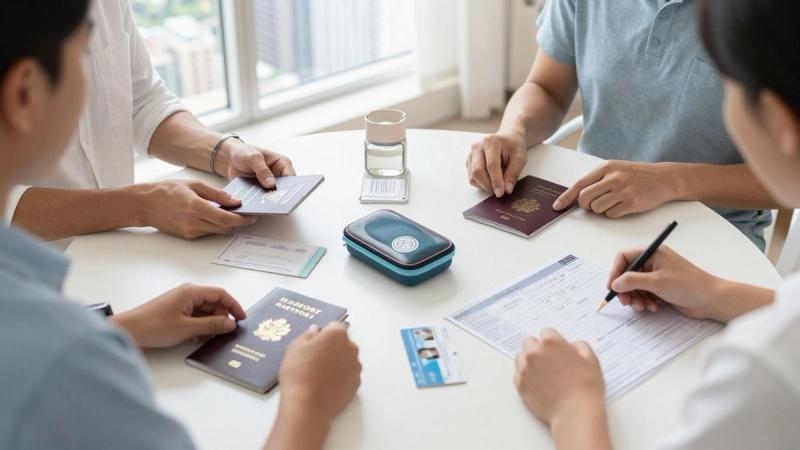
A clinician will commonly start by reviewing routine protection, including measles, mumps and rubella, tetanus, diphtheria, pertussis, polio, influenza, and COVID-19 where appropriate. Measles deserves particular attention for international travelers because outbreaks can occur in many regions, and protection may require more than one documented dose.
Bring any available records to the appointment. When documentation is incomplete, the clinician can explain whether a blood test, repeat vaccination, or a practical catch-up schedule makes sense.
b. Hepatitis A and hepatitis B considerations
Hepatitis A is commonly discussed for unvaccinated travelers because exposure can occur through contaminated food or water. Hepatitis B may be relevant where there could be contact with blood or body fluids, medical treatment, sexual exposure, tattoos, or longer stays.
Age, pregnancy, immune status, previous vaccination, and departure timing all affect the recommendation. Do not assume a childhood series was completed; check the record and ask whether a combined or separate schedule is suitable.
c. Influenza, COVID-19, and other seasonal protections
Respiratory infections can spread during flights, conferences, crowded transport, and indoor gatherings. Seasonal influenza and COVID-19 advice changes over time, so confirm which formulation and timing apply to your age group and health status before departure.
A vaccine is only one part of preparation. Hand hygiene, ventilation, staying home when ill, and having a plan for medical care can reduce disruption during a trip.
d. Rabies and Japanese encephalitis risk factors
Rabies vaccination is usually considered according to animal contact, access to medical care, trip length, and activities such as working with animals or exploring remote areas. Even vaccinated travelers need urgent medical advice after a possible exposure.
Japanese encephalitis is more closely tied to season, geography, rural or agricultural exposure, outdoor activity, and duration of travel. A short city visit may produce a different recommendation from several weeks of rural travel, so describe the itinerary in detail.
e. How your itinerary affects vaccine recommendations
Write down where you will sleep, how long you will stay, whether you will visit rural areas, and what activities you have planned. Also mention stopovers, side trips, work duties, and access to medical care. These details help the clinician distinguish a general recommendation from a situation-specific one.
A sensible appointment should leave you with more than a vaccine list. It should also cover food and water precautions, insect avoidance, animal contact, medicines, and what to do if illness occurs abroad.
3. Hong Kong’s childhood immunization schedule
Children’s schedules are built around age, dose spacing, and the vaccines recommended through local public-health services. Families moving between countries may see different timing even when the same diseases are covered. The safest approach is to compare records with the current Hong Kong schedule rather than trying to merge schedules independently.
a. Vaccines commonly offered through public services
Public services commonly provide childhood protection against diseases such as tuberculosis, hepatitis B, diphtheria, tetanus, pertussis, polio, measles, mumps, rubella, and other conditions covered by the prevailing programme. Exact eligibility and delivery arrangements can change, so families should consult the Department of Health or their provider.
Private care may also be used for vaccines outside a public programme or for families seeking a different appointment time. Availability, fees, and eligibility should be confirmed directly.
b. Recommended timing for infants and children
Timing matters because early doses protect children during vulnerable periods, while later doses strengthen or extend protection. Infants may receive vaccines soon after birth, followed by doses during early childhood and boosters at later ages, depending on the current schedule.
Keep appointments organized around the child’s age and any previous dose dates. If a child is ill, has a chronic condition, or was born prematurely, ask the clinician whether timing should change.
c. Catch-up vaccination after missed doses
A missed appointment does not necessarily mean starting the entire series again. Clinicians usually review the doses already given, the interval since the last dose, the child’s age, and the current schedule before creating a catch-up plan.
When a family has moved, gather records from the previous country and share them at the first visit. Avoid guessing dates, since an apparently small error can make later documentation confusing.
d. Immunizations for teenagers and young adults
Adolescence is a useful point to review boosters, school requirements, influenza and COVID-19 protection, and any vaccines that were missed in childhood. Young adults also benefit from checking their records before university, employment, travel, or health-related placements.
Some teenagers may be anxious about injections. Explain what will happen, allow questions, and tell the provider about fainting, allergies, or previous reactions so the appointment can be planned safely.
e. Keeping school and medical records up to date
A complete record should show the vaccine name, dose date, provider, and any relevant certificate number. Keep a paper copy and a secure digital copy, but do not rely on a phone photograph alone if a school or border authority requires a particular certificate.
For households managing several children, a simple shared record can prevent duplicate appointments and make overseas transfers easier. The record should be updated immediately after each dose.
4. Where to get vaccination in Hong Kong
Vaccination may be available through public clinics, private medical practices, travel-health providers, hospitals, and other authorized services. The best option depends on urgency, age, vaccine availability, language needs, cost, and whether a formal certificate is required. Confirm the appointment type before attending, since not every clinic stocks every vaccine.
a. Public clinics and government health services
Government services can be a practical route for eligible children and residents following the local immunization programme. Public appointments may have specific eligibility rules, booking channels, and documentation requirements, so check the current instructions before visiting.
Families who need clarification about a public-health process can also use the organization’s Hong Kong office contact channel for general inquiries, while medical questions should be directed to a clinic or health authority.
b. Private clinics and travel medicine providers
Private clinics may offer more flexible scheduling and can be useful for international travelers with a complex itinerary or limited time. Travel medicine providers can review destination risks, vaccine history, preventive medicines, and practical precautions in one consultation.
Ask whether the clinic has the needed vaccine in stock, whether a doctor will assess you first, and whether the provider issues internationally recognized documentation. Fees can vary considerably between services.
c. What to expect during a vaccination appointment
The provider will usually ask about age, pregnancy, allergies, immune conditions, medicines, previous doses, and recent illness. For travel consultations, expect questions about dates, destinations, activities, accommodation, and access to care.
The visit may end with a same-day dose, a written plan for later doses, or a recommendation to obtain more records first. Stay briefly after vaccination if the provider advises observation, and ask what symptoms are expected.
d. Documents and medical information to bring
Bring your passport or identity document when a certificate may be needed, along with vaccination records, medication details, allergy information, and relevant medical letters. Parents should bring the child’s health record and any custody or consent documents required by the provider.
These details help avoid unnecessary repetition and allow the clinician to spot gaps. If records are in another language, bring a translation when available, but keep the original document too.
e. Choosing a provider for children, adults, or travelers
Choose a provider that routinely serves the person being vaccinated and can explain the schedule clearly. For children, ask about age-specific services; for adults, ask about catch-up vaccination; for travelers, confirm that the clinician evaluates the complete itinerary.
A workplace may also educate employees through MixCare Health’s Wellness Marketplace, which is a curated network of wellness providers covering fitness, mental health, nutrition, and preventive care. That resource can support broader wellbeing engagement, but it does not replace clinical vaccine advice.
5. Planning vaccination before travel
Preparation is easier when vaccination is treated as part of trip planning rather than a last-minute errand. Some vaccines require multiple doses, and protection may take time to develop. Start with records and dates, then schedule a consultation early enough to leave room for questions and follow-up.
a. When to start preparing for your trip
For international travel, begin several weeks before departure when possible. An eight-week window is a useful planning target because it allows time to review routine vaccines, complete some series, and respond to unexpected gaps.
Earlier is better for children, older adults, pregnant travelers, and anyone with a chronic or immune-related condition. Even when departure is soon, a clinician can still identify useful steps.
b. Managing multi-dose vaccine schedules
Some vaccines are given in a series with defined intervals. Ask for the dates of every planned dose and whether the schedule can be adjusted if you will be abroad for the next appointment.
Put the schedule in a calendar and set reminders for both the next dose and the record update. If another clinic will administer a later dose, confirm that it can access the product and documentation needed.
c. What to do about last-minute travel
Do not abandon preparation simply because the trip is close. A clinician can prioritize routine protection, assess accelerated options where appropriate, and provide advice on food, water, respiratory, insect, and animal exposures.
Bring your departure date and full itinerary to the appointment. The provider may recommend a first dose, explain what will not be completed before departure, and make a follow-up plan for after you return.
d. Precautions for pregnancy and chronic conditions
Pregnancy, immune suppression, allergies, and chronic conditions can change which vaccines are appropriate and when they should be given. Share diagnoses, medicines, past reactions, and specialist advice rather than relying on general online guidance.
Travel insurance is also worth reviewing, particularly when a health condition or pregnancy could require treatment abroad. Medical support and evacuation terms may differ between policies.
e. Checking official health guidance before departure
Travel advice can change with outbreaks, seasonal conditions, border rules, or new public-health measures. Recheck official Hong Kong guidance, your home-country travel-health advice, airline information, and any requirements from the destination you will visit after Hong Kong.
Use the most recent publication date and save the relevant page or certificate instructions. This small step can prevent confusion at check-in or on arrival.
6. Vaccine safety, costs, and follow-up care
Vaccines are generally well studied, but every appointment should still include an honest discussion of benefits, risks, alternatives, and timing. Costs depend on the vaccine, provider, consultation, eligibility, and whether several doses are needed. Good follow-up means recording the dose, watching for symptoms, and knowing where to seek help.
a. Common side effects and when to seek help
Soreness, redness, mild fatigue, headache, or a low fever can occur after some vaccines and often settle without treatment. Ask the provider what is expected for the specific vaccine and which medicines, if any, are suitable for you.
Seek urgent medical attention for trouble breathing, facial swelling, collapse, widespread hives, or other severe or rapidly worsening symptoms. A serious reaction is uncommon, but it should never be ignored.
b. Vaccine costs and insurance considerations
Ask for the consultation fee, vaccine price, administration charge, and cost of later doses before proceeding. Public eligibility and private pricing can differ, and travel vaccines may not be covered by standard medical plans.
Check insurance wording before the appointment. Keep receipts and certificates if reimbursement is possible, and confirm whether the insurer requires pre-approval or a particular provider.
c. Managing allergies and previous reactions
Tell the provider about allergies to medicines, foods, vaccine ingredients, latex, or adhesive materials, as well as any previous reaction after vaccination. A past fever or sore arm is not the same as a severe allergic reaction, so describe exactly what happened and how quickly it occurred.
The clinician may recommend observation, specialist input, an alternative formulation, or a different timing plan. Do not conceal a reaction because you are worried about delaying travel.
d. Keeping an international vaccination record
Record the vaccine, product or formulation when available, date, dose, provider, and lot information. Keep the signed paper certificate, a secure digital backup, and any translation needed for school, employment, immigration, or travel.
For organizations administering employee benefits, MixCare Health’s Self-Funded Outpatient programme is described as a fully digital, employer-funded outpatient benefit. It may help employers manage an outpatient benefit, but vaccination documentation should remain accurate and be maintained through the administering clinic or health authority.
e. What to do after a missed or delayed dose
Contact the administering clinic rather than restarting a series on your own. The provider can check the interval, determine whether the dose remains valid, and update the schedule.
Make the next appointment while the record is open in front of you. If you have moved or changed providers, send the complete history ahead of time so the new clinic can make a safe, informed decision.
Conclusion
A practical vaccination hong kong plan starts with routine records, adds travel-specific advice, and leaves room for changing requirements or individual health needs. Check official guidance, speak with a qualified provider, and keep every dose documented so preparation remains straightforward for your next trip, school year, or move.
Frequently Asked Questions
Are vaccines required to enter Hong Kong?
Many travelers are not subject to a special vaccination requirement, but rules can vary with travel history, transit points, public-health conditions, and current policy. Check official guidance before departure.
Which vaccines should travelers review first?
Start with routine vaccines such as measles, mumps and rubella, tetanus, diphtheria, pertussis, polio, influenza, and COVID-19 where appropriate. A clinician can then assess travel-specific options.
Is hepatitis A vaccination recommended for Hong Kong?
It may be recommended for unvaccinated travelers, depending on age, health status, itinerary, and current public-health advice. Discuss the timing and dose schedule with a clinician.
Should children follow Hong Kong’s local schedule?
Children should follow the current schedule advised by their healthcare provider and local health authorities. Families arriving from another country should compare existing records rather than independently combining schedules.
Can I get vaccinated shortly before travel?
Yes, a last-minute appointment can still be useful. A clinician can prioritize relevant protection, explain what may not be complete before departure, and advise on non-vaccine precautions.
What should I bring to a vaccination appointment?
Bring vaccination records, identity documents, medication and allergy information, relevant medical letters, and a detailed itinerary if the visit is travel-related.
What if I lost my vaccination records?
Ask previous clinics, schools, employers, or health authorities whether records can be recovered. A clinician can then discuss whether testing or repeat doses are appropriate when documentation cannot be found.
MixCare Health
MixCare Health · Hong Kong