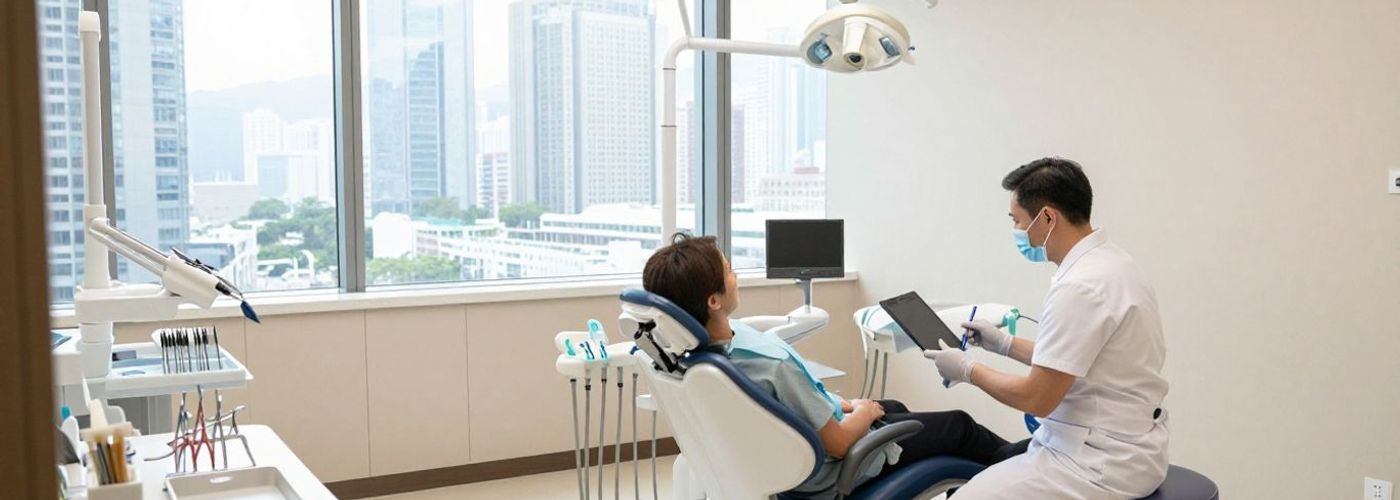
Dental care in Hong Kong can vary significantly in cost, availability, and quality. Learn how to choose a dentist, compare clinics and treatment costs, check dental insurance, and make informed decisions about your oral health.
Key Takeaways
Good dental care in Hong Kong starts with understanding your options, checking credentials, and asking clear questions before treatment. Cost, convenience, communication, and follow-up all matter.
- Compare public, private, and nonprofit dental services before booking.
- Confirm the dentist’s registration, experience, and proposed treatment.
- Request an itemized quote and ask about alternatives and aftercare.
- Seek urgent help for severe pain, swelling, bleeding, or dental injuries.
- Maintain daily brushing, interdental cleaning, and regular checkups.
1. Understanding dental care in Hong Kong
Dental care in Hong Kong includes public services, private clinics, university-linked services, and nonprofit programmes. Availability, waiting times, fees, and eligibility can vary, so the most suitable route depends on whether you need routine prevention, complex treatment, or urgent attention. A little preparation can make the system easier to navigate.
a. How the Hong Kong dental system works
Most adults arrange dental care directly with a private dentist, while public services may be available through specific programmes or eligibility arrangements. Private clinics generally offer more choice in appointment times, location, and treatment options, but fees can differ considerably. Before committing, check what the initial consultation includes and whether diagnostic imaging is charged separately.
b. Public, private, and nonprofit dental services
Public and nonprofit options may help people who face financial or access barriers, although eligibility and availability should be confirmed directly. The Department of Health’s NGO dental clinic search can help readers identify participating providers under the Community Dental Support Programme. For older adults, shared-funding and community-based arrangements may also improve access; this review of older adult dental care offers useful background.
The right choice is not always the cheapest appointment. Consider the likely waiting time, the complexity of the treatment, transport, language support, and whether follow-up visits can be arranged conveniently.
c. Common dental treatments available
Routine services include examinations, professional cleaning, fillings, gum care, tooth removal, crowns, bridges, root canal treatment, dentures, implants, and orthodontic care. Cosmetic treatments may also be offered, but they should be discussed separately from treatment needed to restore oral function or manage disease. Ask the dentist to explain the purpose of each recommended procedure in plain language.
A treatment plan may involve several stages rather than one visit. Understanding the sequence helps you compare quotes fairly and plan for recovery, temporary restorations, or later maintenance.
d. When to seek urgent dental care
Severe tooth pain, facial swelling, uncontrolled bleeding, a knocked-out tooth, or a dental injury deserves prompt professional advice. Fever, difficulty swallowing, or swelling that affects breathing can signal a serious infection and may require emergency medical attention rather than waiting for a routine appointment. If you are unsure, call a dental clinic or emergency service for guidance.
2. How to choose a dental clinic in Hong Kong
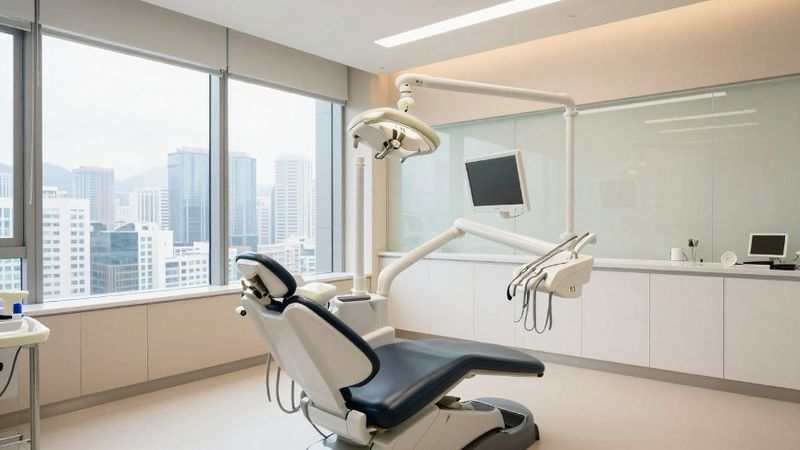
Choosing a clinic involves more than selecting the nearest result in a search engine. Look for clear information about the dentist, services, fees, and appointment process, then consider whether the practice suits your particular needs. Convenience matters, but it should support good care rather than replace it.
a. Checking dentist qualifications and clinic credentials
Confirm that the treating dentist is appropriately registered in Hong Kong and ask about training or experience relevant to your proposed procedure. A clinic should be willing to explain who will provide the treatment, whether another clinician is involved, and what happens if specialist input is needed. For major procedures, a written plan and clear consent process are useful signs of professional communication.
b. Comparing locations, opening hours, and accessibility
A clinic that is easy to reach is more practical when treatment requires several visits. Check public transport, lift access, parking, appointment availability, and whether the opening hours fit your work or family commitments. If you may need urgent care, ask whether the clinic provides same-day assessment or advice outside standard hours.
Accessibility also includes physical comfort and communication. Let the clinic know about mobility needs, hearing concerns, anxiety, or the need for an interpreter before the appointment rather than at the reception desk.
c. Evaluating technology, hygiene, and patient support
Clean clinical areas, appropriate infection-control procedures, and well-maintained equipment should be treated as basic expectations. Ask how diagnostic images are explained, how records are handled, and whether the clinic gives written aftercare instructions. Clear patient support is especially valuable when treatment is lengthy or involves several clinicians.
Technology is useful when it improves diagnosis, planning, comfort, or continuity of care. It should not be used as a substitute for an examination or as a reason to recommend treatment without explaining the clinical need.
d. Reading reviews without relying on them alone
Reviews can reveal patterns about punctuality, communication, billing, and the general patient experience, but they are not a substitute for professional credentials or a consultation. Read several recent reviews and separate comments about reception from comments about clinical care. Be cautious about unusually absolute praise or criticism that provides no specific context.
You can also ask friends or colleagues how the clinic handled consent, follow-up, and unexpected changes to a treatment plan. Those details often tell you more than a star rating.
3. Comparing dental costs in Hong Kong
Dental fees in Hong Kong vary by clinic, dentist experience, materials, technology, and the complexity of the case. A low advertised price may cover only part of the service, while a higher quote may include imaging, laboratory work, or follow-up. Compare like with like and request the details in writing.
a. Typical prices for consultations and preventive care
A consultation may include a visual examination but not necessarily X-rays, photographs, cleaning, or a full periodontal assessment. Preventive care such as scaling and polishing may be priced separately or bundled with an examination. Ask what is included before the appointment and whether a follow-up consultation carries another fee.
Fees can also differ depending on whether you see a general dentist, hygienist, or specialist. The price should be considered alongside the scope of the visit and the clinical information it provides.
b. Costs of fillings, crowns, implants, and orthodontics
Fillings, crowns, implants, and orthodontic treatment have wide price ranges because materials, laboratory work, preparation, and the number of visits differ. An implant quote may include surgery but exclude the crown, imaging, bone grafting, or maintenance. Orthodontic fees may likewise vary according to the appliance, treatment duration, refinements, and retainers.
Do not compare only the headline figure. Ask whether temporary work, adjustments, repairs, and post-treatment reviews are included, and whether the quoted option is clinically appropriate for your condition.
c. What influences a treatment quote
A quote usually reflects the diagnosis, urgency, number of teeth involved, materials, laboratory charges, clinician expertise, and anticipated follow-up. Existing gum disease, bone loss, infection, or previous dental work can add stages to treatment. A responsible clinic should distinguish confirmed costs from estimates that may change after further examination.
The following questions can make a quote easier to assess:
- What problem is the treatment intended to solve?
- Which parts of the quote are fixed, estimated, or optional?
- Are imaging, laboratory work, temporary restorations, and reviews included?
- What less invasive alternatives are available?
Once you have these answers, you can compare proposals based on expected value and suitability rather than price alone.
d. Insurance coverage and payment options
Check your dental insurance or employee benefits before treatment, including annual limits, exclusions, pre-approval rules, waiting periods, and panel requirements. Ask whether the clinic submits claims directly or whether you must pay first and seek reimbursement. Keep itemized invoices, receipts, diagnostic reports, and treatment notes if your insurer requests them.
For employers reviewing outpatient benefits, MixCare Health describes a self-funded outpatient plan with AI-driven claims processing, a cashless doctor network, configurable stop-loss plans, budget setting, and real-time data dashboards. Its FSA wallet is described as allowing employees to use employer-funded funds for pre-approved health and wellness categories. These are employer benefit arrangements, not a replacement for checking the terms of an individual dental policy.
On top of that, MixCare Health wellness marketplace members can access to 1,000+ health services, you can access discounted dental checkups and oral care services through the MixCare Wellness Marketplace
4. Finding the right dentist for your needs
The best dentist depends on the care you need, your medical history, and how much ongoing support is likely to be required. A general dentist can coordinate routine care, while a specialist may be appropriate for a complex diagnosis or procedure. Personal comfort and communication should be part of the decision, not an afterthought.
a. Choosing a general dentist for routine care
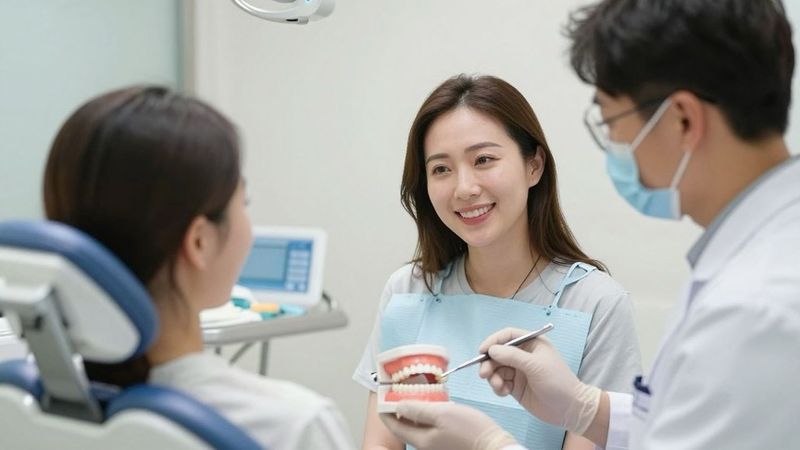
A general dentist is often the first point of contact for examinations, prevention, fillings, gum care, and straightforward restorative treatment. Look for someone who explains findings clearly, records changes over time, and offers a sensible recall schedule rather than treating every visit as a sales opportunity. Continuity can make it easier to spot gradual changes before they become urgent.
b. Selecting a specialist for complex treatment
You may need specialist input for advanced gum disease, difficult root canal treatment, complex extractions, orthodontics, oral surgery, or extensive reconstruction. Ask why a referral is being recommended and whether the specialist will communicate the findings back to your general dentist. It is reasonable to ask about experience with similar cases, likely risks, alternatives, and the expected number of visits.
A referral does not necessarily mean the original dentist made a mistake. It may simply mean the case would benefit from focused training or equipment.
c. Dental care for children and older adults
Children may need a clinic that is patient, preventive, and comfortable with age-appropriate explanations. Older adults may have dry mouth, medication-related risks, reduced dexterity, dentures, or difficulty travelling. A review of dental services for older adults in Hong Kong highlights the importance of reducing both financial and access barriers.
Families should ask whether caregivers can participate in discussions, how consent is handled, and whether the clinic can coordinate ongoing maintenance. Practical support can be as important as the procedure itself.
d. Language, communication, and accessibility considerations
A treatment recommendation is only useful when you understand it well enough to consent freely. Ask whether the dentist or a trained staff member can communicate in your preferred language, and request diagrams or written instructions when details are complicated. Tell the clinic about anxiety, sensory sensitivities, mobility needs, or hearing difficulties.
Take time to repeat the plan in your own words. If the explanation remains unclear, postpone non-urgent treatment until your questions have been answered.
5. Preparing for a dental appointment
Preparation helps the dentist build an accurate picture of your health and helps you make decisions without feeling rushed. Bring relevant information, describe symptoms honestly, and mention previous treatment even if it happened at another clinic. Your first visit should be a conversation as well as an examination.
a. What to bring to your first visit
Bring identification and insurance or employer-benefit details if relevant, along with a list of medications, allergies, medical conditions, and previous dental procedures. Note when symptoms began, what triggers them, and whether pain is constant or intermittent. If you have recent X-rays or treatment records, ask the previous clinic whether they can be transferred securely.
It can help to bring a written list of questions. Anxiety and time pressure make it easy to forget important details at reception or in the treatment room.
b. Questions to ask before treatment begins
Ask what the dentist has found, how urgent it is, and what may happen if you wait. You can also ask who will perform the treatment, how many visits are expected, what discomfort or downtime is typical, and how complications would be managed. Clear answers support informed consent.
If cost is a concern, ask for an itemized written estimate before agreeing to non-urgent work. You should know which elements are optional and what payment is due at each stage.
c. Understanding examinations and diagnostic imaging
An examination may include inspection of the teeth and gums, bite assessment, periodontal measurements, photographs, and diagnostic images. X-rays can reveal problems that are not visible during a visual examination, but the dentist should explain why a particular image is recommended. Ask how the results affect the treatment decision.
You are entitled to ask to see the findings and have them explained. A useful consultation connects each image or measurement to a diagnosis, rather than presenting technology without clinical context.
d. Reviewing treatment plans and alternatives
A written plan should state the diagnosis, proposed stages, alternatives, estimated costs, and expected follow-up. For extensive care, ask whether treatment can be phased and which step should come first. You can also ask whether preserving the tooth, monitoring it, or choosing a less invasive option is reasonable.
Do not feel pressured to approve elective or complex treatment during a first consultation. Time to review the plan, check coverage, or obtain another opinion can lead to a more confident decision.
6. Maintaining good oral health between visits
Good home care does not eliminate the need for professional examinations, but it can lower the risk of decay, gum disease, and avoidable emergencies. The essentials are consistent rather than complicated. Your dentist can adapt them for braces, dentures, implants, dry mouth, or other conditions.
a. Building an effective brushing and flossing routine
Brush twice daily with fluoride toothpaste and clean between the teeth using floss, interdental brushes, or another tool suited to your mouth. Replace a worn toothbrush or brush head, and avoid scrubbing so hard that the gums recede. If you struggle with dexterity, an electric toothbrush or larger handle may make the routine easier.
Technique matters more than an elaborate collection of products. Ask a dental professional to demonstrate where plaque remains and how to reach those areas comfortably.
b. Managing diet, smoking, and other risk factors
Frequent sugary drinks and snacks can increase the time teeth are exposed to acid, while smoking raises the risk of gum disease and affects healing. Alcohol, dry mouth, reflux, diabetes, and some medicines may also influence oral health. Discuss these factors honestly so prevention advice can be tailored to you.
Small changes are often more sustainable than a complete routine overhaul. Water between meals, sensible snack timing, and support to stop smoking can all complement professional care.
c. Protecting teeth with regular checkups and cleanings
The appropriate interval between visits depends on your risk, gum health, age, medical history, and previous treatment. Professional cleaning can remove deposits that home brushing cannot, while examinations identify changes that may not cause symptoms yet. Follow the recall schedule your dentist gives you, but ask for the reason if it seems unusually frequent or infrequent.
Keep records of completed treatment and recommended reviews. This is particularly helpful when changing clinics, moving, or coordinating care for a family member.
d. Recognizing symptoms that should not be ignored
Persistent sensitivity, bleeding gums, a loose tooth, a swelling, a sore that does not heal, or changes in a filling should be assessed rather than watched indefinitely. Pain that disappears can still reflect an underlying problem. Contact a dentist promptly if symptoms worsen or interfere with eating, sleeping, or daily activities.
Sudden facial swelling, difficulty breathing or swallowing, heavy bleeding, or a serious injury requires urgent help. Do not rely on painkillers alone when infection or trauma may be involved.
7. Making an informed dental treatment decision
Dental treatment decisions are personal, but they should be based on understandable clinical information rather than pressure or uncertainty. Consider the purpose of treatment, the likely benefits, the risks, the alternatives, and the ongoing maintenance involved. A calm process is usually a better process.
a. Comparing treatment benefits, risks, and longevity
Ask what improvement the treatment is expected to provide and how success will be assessed. Discuss durability, possible complications, repair or replacement needs, and the effect of smoking, grinding, gum disease, or inconsistent maintenance. No restoration lasts forever, and the cheapest or fastest option may not be the most suitable over time.
Request realistic expectations rather than guarantees. A good explanation includes both what treatment can do and what it cannot do.
b. Getting a second opinion for major procedures
A second opinion may be sensible before implants, extensive crowns, orthodontics, multiple extractions, complex surgery, or treatment with substantial financial and personal consequences. Bring the proposed plan and diagnostic records where possible, and ask the second dentist to assess the diagnosis as well as the procedure.
The purpose is not to collect endless opinions. It is to clarify uncertainty and make sure you understand the reasonable choices.
c. Identifying unnecessary or unclear recommendations
Be cautious when a clinic cannot explain the diagnosis, refuses to provide an itemized estimate, or presents elective treatment as immediately essential without discussing alternatives. You can ask which findings support the recommendation and what would happen if treatment were delayed. Vague answers are a reason to pause, not a reason to feel difficult.
Clear consent should include the material risks, expected benefits, alternatives, and likely costs. If those elements are missing, request clarification before agreeing.
d. Confirming aftercare, follow-up, and total costs
Before treatment begins, confirm the full expected cost, payment schedule, warranty or repair policy, follow-up appointments, and whom to contact if pain or swelling develops. Ask whether aftercare, retainers, temporary restorations, medication, laboratory work, or future maintenance are included. These details can materially change the total expense.
For employer-sponsored benefits, employers and employees should also verify eligibility, claim procedures, and annual limits. Keeping a written record of the plan and invoices makes later questions much easier to resolve.
Conclusion
Choosing dental care in Hong Kong becomes more manageable when you compare access, credentials, communication, costs, and follow-up together. Prepare questions, seek urgent help when symptoms demand it, and choose treatment because you understand its purpose and alternatives—not simply because it was recommended first.
Frequently Asked Questions
How do I choose a dentist in Hong Kong?
Check registration, relevant experience, clinic accessibility, communication quality, hygiene practices, and the clarity of the proposed treatment and fees. Reviews can provide context, but they should not replace your own consultation.
Is public or nonprofit dental care available in Hong Kong?
Some public and nonprofit programmes serve specific groups or needs. Eligibility, participating clinics, and availability vary, so confirm the current arrangements directly with the relevant provider or programme.
How much does dental treatment cost in Hong Kong?
Costs vary according to the diagnosis, procedure, materials, laboratory work, clinician, and number of visits. Request an itemized quote and ask which services are included before comparing prices.
Does dental insurance cover all treatment?
Usually not. Policies may include annual limits, exclusions, waiting periods, pre-approval rules, or panel requirements. Review the policy and ask whether the clinic supports direct claims or reimbursement documentation.
When should I seek emergency dental care?
Seek prompt help for severe pain, facial swelling, uncontrolled bleeding, dental injuries, or signs of infection. Difficulty breathing or swallowing requires urgent medical attention.
Should I get a second opinion before dental treatment?
A second opinion can be useful before major, expensive, irreversible, or complex procedures. Take your proposed plan and diagnostic records so the second dentist can assess the diagnosis and alternatives.
How can I maintain healthy teeth between appointments?
Brush twice daily with fluoride toothpaste, clean between your teeth, limit frequent sugary foods and drinks, avoid smoking, and attend checkups at the interval recommended for your risk level.
MixCare Health
MixCare Health · Hong Kong